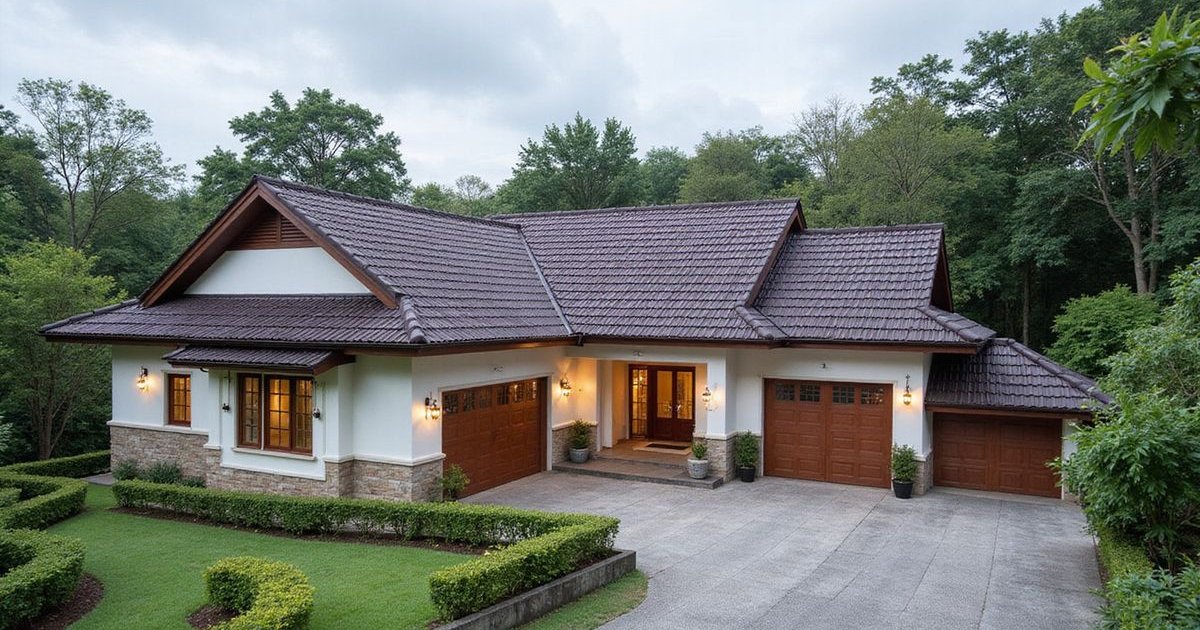
Choosing the right roofing material determines whether your home stays cool during a Klang Valley heatwave or leaks during the monsoon season.
This decision impacts your wallet and your comfort for the next 20 to 50 years.
We established Roofing Man back in 2013 with a clear mission to fix the recurring leak issues we saw across Kuala Lumpur. Experience has taught us that no single material is perfect for every property. Each option behaves differently under the intense Malaysian sun.
Here is a breakdown of the three market leaders: clay, concrete, and metal, based on current industry standards and local climate data.
Clay Tiles: The Premium Standard
Clay tiles are often considered the gold standard for roofing in Malaysia, especially for heritage homes and high-end bungalows in areas like Damansara or Bangsar.
The “Why” Behind the Quality: These tiles are baked in kilns at temperatures exceeding 1,000°C. This process vitrifies the clay, locking in the color permanently so it never peels or fades under the UV rays. Brands like GCI and Terreal are common benchmarks in this category.
Pros:
- Permanent Color: The aesthetic appeal does not degrade over decades.
- Superior Heat Insulation: Natural thermal mass keeps interiors cooler by absorbing heat slowly.
- Extreme Durability: Expect a lifespan of 40 to 60+ years with minimal maintenance.
- Fire Resistance: Clay is non-combustible.
Cons:
- Significant Weight: These tiles are heavy and require a reinforced roof truss system.
- Fragility: They can crack if walked on incorrectly during maintenance (like air-con servicing).
- Higher Upfront Investment: Material and labor costs are the highest of the three options.
Insider Tip: If you spot moss growing on clay tiles in a humid area like Ampang, do not power wash it at high pressure. We find that high-pressure water can force moisture under the laps and cause leaks.
Cost Estimate (2025 Market Rates): RM 18 - RM 45 per sq ft (Supply & Install).
Concrete Tiles: The Value Choice
Concrete tiles are the most common roofing material you will see in Malaysian housing developments.
The “So What” for Homeowners: They offer a balance between structural solidity and cost-effectiveness. Most developers use brands like BMI Monier because they provide a uniformed look without the premium price tag of clay.
Pros:
- Cost-Effective: Typically 20-30% cheaper than clay options.
- Variety: Available in flat, wavy, and bold profiles to match different architectural styles.
- Secure Interlocking: Modern designs feature weather bars that block wind-driven rain.
Cons:
- Color Fading: The paint is a surface coating and will fade after 10-15 years of exposure.
- Water Absorption: Concrete becomes heavier when wet (absorbing up to 13% of its weight in water).
- Maintenance: Surface erosion can occur over time, leading to a rougher texture that traps dirt.
Best For: Residential terrace houses and renovation projects where budget is a primary priority.
Cost Estimate (2025 Market Rates): RM 12 - RM 28 per sq ft (Supply & Install).
Metal Roofing: The Modern Contender
Metal roofing (often called Zinc or Aluminium Composite) has shifted from industrial use to a favorite for modern residential renovations.
The Technical Advantage: We are seeing a massive shift toward “PU Foam” metal roofing. This combines the metal sheet with a bonded layer of foam insulation to dampen noise and reduce heat transfer. Look for reputable steel providers like BlueScope for rust warranties.
Pros:
- Lightweight: Weighs roughly 1/7th of concrete tiles, putting less stress on your home’s structure.
- Leak Resistance: Long sheets mean fewer joints (often run from ridge to eave in one piece).
- Low Pitch Capability: Can be installed on roofs with a shallow slope (as low as 5 degrees).
- Speed: Installation is significantly faster than laying individual tiles.
Cons:
- Noise: Without insulation, heavy rain sounds like a drum.
- Dent Susceptibility: Falling branches or heavy impact can leave permanent marks.
- Heat Transfer: Metal conducts heat rapidly and requires high-quality insulation to keep the room below cool.
Insider Tip: Check the thickness of the metal before you buy. We strongly advise against anything thinner than 0.42mm (G28) for a main roof. Thinner sheets (0.35mm) are strictly for awnings and will warp or leak on a main structure.
Cost Estimate (2025 Market Rates): RM 14 - RM 38 per sq ft (varies heavily by insulation type and metal thickness).
Comparison Table: At a Glance
We have compiled this data to help you compare the practical realities of each material side-by-side.
| Feature | Clay Tiles | Concrete Tiles | Metal Roofing (PU) |
|---|---|---|---|
| Lifespan | 40-60+ years | 20-30 years | 25-40 years |
| Weight | Very Heavy | Heavy | Light |
| Heat Resistance | Excellent (Natural) | Good | Moderate (Needs Foam) |
| Rain Noise | Quiet | Quiet | Can be loud* |
| Color Longevity | Permanent | Fades over time | Fades slowly |
| Leak Risk | Low (if pitch >22°) | Low (if pitch >22°) | Very Low (fewer joints) |
| Maintenance | Low | Moderate | Very Low |
*Metal roofing noise levels depend entirely on the quality of insulation installed beneath it.
Climate Considerations for Malaysia
The weather in the Klang Valley creates specific challenges that generic advice often misses.
Battling the Heat Island Effect
Temperatures in urban areas like KL are rising.
- Clay and Concrete: Act as thermal batteries. They absorb heat during the day and release it slowly at night.
- Metal: Reflects heat immediately if coated with light colors but cools down much faster once the sun sets.
- Recommendation: Regardless of material, we always recommend installing a radiant barrier (aluminium foil) under the roof to block up to 95% of radiant heat.
Surviving the Monsoon
Rain intensity here can overwhelm standard drainage.
- Flow Rate: Metal roofs shed water the fastest, making them ideal for areas with heavy downpours.
- Backflow: Tiles rely on gravity. If your roof pitch is too flat (below 22 degrees), wind can blow rain up and under the tiles, causing leaks.
Managing Humidity and Algae
- The Moss Problem: Clay and concrete surfaces are porous. In shaded areas, they remain damp, encouraging black mold or moss growth.
- The Metal Solution: Metal surfaces dry almost instantly, making them resistant to biological growth.
Making Your Choice
Selecting the right material comes down to matching the product to your building’s specific needs.
Prioritize Your Budget
Concrete offers the best balance of performance and price for standard renovations. It gets the job done without breaking the bank.
Focus on Longevity
Clay is the investment choice. If you plan to pass this home down to the next generation, clay tiles maintain their value and appearance longer than any other option.
Consider Aesthetics and Structure
Are you doing a modern extension? Metal offers clean lines and puts less weight on the new extension’s pillars.
Structural Integrity Check
Metal is the safest bet if you are re-roofing an older wooden house where the trusses might be aging. It relieves the weight load significantly compared to switching to heavy tiles.
Installation Matters: The Hidden Factor
The best material in the world will fail if installed poorly.
We see leak cases every week where expensive clay tiles were installed with cheap flashing.
- Flashing is Key: The metal strips sealing the edges and valleys are usually the first thing to fail.
- Ventilation: A roof needs to breathe. Proper ridge ventilation prevents hot air from getting trapped in your ceiling space.
- Underlayment: Think of this as your second line of defense. A quality water-resistant membrane under the tiles catches any water that slips through during a storm.
Need Advice?
Choosing between these materials can be confusing when you are staring at a leaking ceiling.
Contact us for a consultation. We will inspect your current roof structure, assess the pitch, and help you calculate the most cost-effective reroofing solution for your specific location.
Don’t let a small drip turn into a major structural repair.