The average annual rainfall in the Klang Valley now hovers around 2,400mm to over 3,000mm, with recent data from late 2024 showing increasingly unpredictable storm patterns.
We know that catching a leak early is the only way to avoid a five-figure repair bill.
Most homeowners in Petaling Jaya and KL wait until they see water dripping on the floor.
By that point, the damage in your roof void has likely spread to the insulation and structural timber.
We are going to walk you through the seven signs that demand immediate attention and explain exactly what steps to take next.
1. Water Stains on Ceilings
The most obvious sign of a roof leak is water stains on your ceiling.
These spots typically start as small, brownish, or yellowish rings that look like coffee spills.
We often refer to this as the “bullseye” effect because the discoloration spreads outward from the central drip point.
Plaster ceilings, which are standard in Malaysian homes, act like a sponge and absorb this water instantly.
What to do: Don’t ignore ceiling stains. Even a stain the size of a 50-cent coin indicates that water has breached your roof tiles and sarking.
2. Peeling Paint on Walls or Ceiling
When water seeps behind paint, it breaks the chemical bond between the paint layer and the wall surface.
This loss of adhesion causes the paint to bubble, blister, or flake off in sheets.
We see this frequently near the cornice line where the wall meets the ceiling.
Standard interior paint begins to fail when the moisture content in the wall exceeds 15-20%, leading to that unsightly bubbling effect.
What to do: Before repainting, address the water source. Scraping off the bubble without fixing the leak is a waste of time and money.
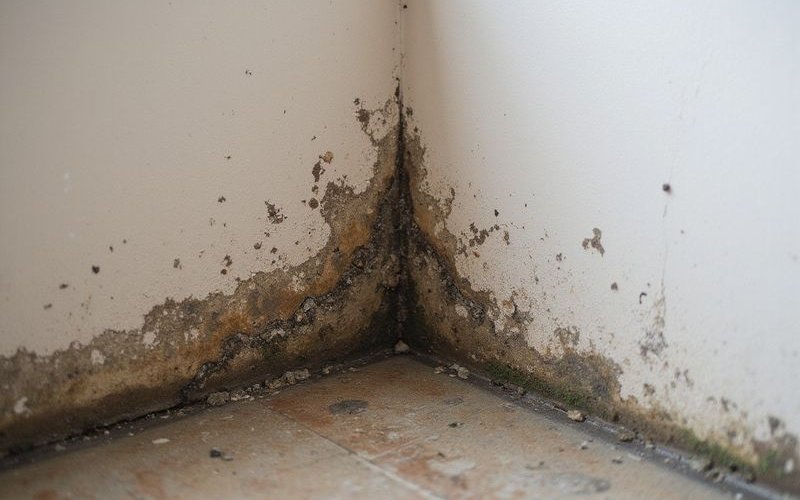
3. Mold or Mildew Growth
Malaysia’s humidity levels consistently sit between 70% and 80%, creating the perfect breeding ground for fungus.
If you notice black or green spots on your upper cornices, you likely have an active leak providing the moisture source.
We find that mold spores can colonize damp plasterboard in as little as 24 to 48 hours in our tropical climate.
What to do: Mold is a health hazard. Address both the mold and the water source promptly.
4. Damp or Musty Smells
Sometimes you’ll smell a leak before you see it.
Trapped moisture in the roof void creates a distinct, stale odor that slowly seeps into the living areas below.
We advise homeowners to pay attention to smells that persist even after cleaning or airing out the room.
This “attic smell” is often caused by wet fiberglass insulation that has been damp for weeks without drying.
What to do: Track down the source of the smell. It’s often near the problem area.
5. Damaged or Missing Roof Tiles
Visible damage to your roof is an obvious concern.
Missing tiles, cracked clay tiles, or concrete tiles that appear shifted are open invitations for rain.
We frequently see tiles displaced by strong wind gusts or even troops of monkeys moving across terrace house rooftops in residential areas like Subang Jaya.
A single slipped tile can allow gallons of water into your ceiling space during a heavy afternoon downstorm.
What to do: Have damaged tiles replaced promptly, especially before the rainy season.
6. Debris or Granules in Gutters
If you have an asphalt shingle roof, finding excessive granules in your gutters is a sign the material is nearing the end of its life.
However, for the majority of Malaysian homes with concrete tiles, you should look for sand or crumbling grey debris in the gutter.
We identify this as a sign that the cement mortar on your ridge capping (the peak of the roof) is disintegrating.
Recent industry observations show that the bonding agents in older mortar mixes often fail after 10-15 years of exposure to our intense heat.
What to do: This often indicates aging. Consider having your roof inspected.
7. Higher Than Normal Electricity Bills
A less obvious sign: if your electricity bills suddenly increase, poor roof insulation due to moisture damage might be the cause.
Water-saturated rockwool or fiberglass insulation can lose up to 70% of its thermal resistance (R-value).
We have seen cases where a homeowner’s TNB bill spiked by over RM200 because their air conditioning had to work double-time to combat the heat entering through wet insulation.
What to do: Have your attic and insulation checked if bills spike unexpectedly.
When to DIY vs Call a Professional
Knowing your limits is critical to staying safe and keeping costs down.
| You might handle it yourself if… | Call a professional immediately if… |
|---|---|
| The issue is a simple clogged gutter you can reach safely. | You cannot locate the exact entry point of the water. |
| You are comfortable working on a ladder and have a spotter. | There are multiple leak spots appearing at once. |
| The repair only requires a minor sealant application. | You see sagging ceilings or structural wood rot. |
| You have proper safety gear (non-slip shoes, harness). | The roof pitch is steep or the tiles are slippery (clay). |
What to Do Right Now
If you’ve noticed any of these signs:
- Document the damage - Take clear photos of the stain or damage for potential insurance claims.
- Minimize further damage - Place buckets under active drips and move furniture away from the area.
- Call a professional - Get an inspection before the next heavy rainfall worsens the defect.
Early detection and roof leak repair saves money in the long run.
We know from experience that a small RM200 repair today prevents a major ceiling collapse tomorrow.
Get a Free Inspection
Not sure if you have a leak? Contact Roofing Man for a free, no-obligation inspection. We’ll identify any problems and provide honest advice on the best solution.