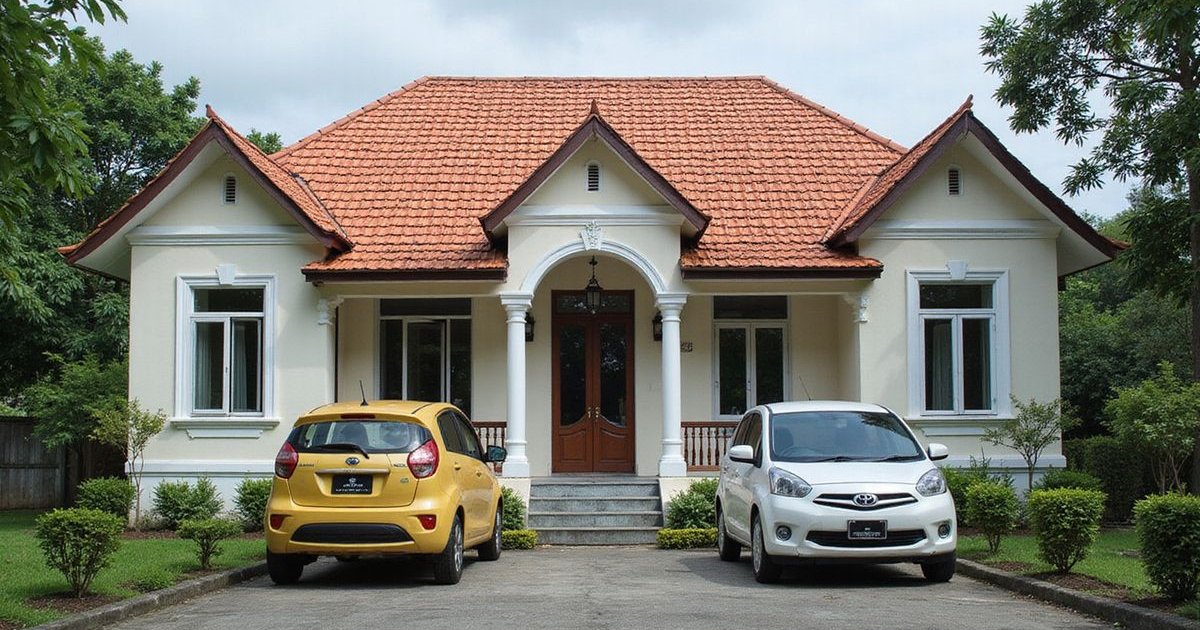
Many homeowners confuse waterproofing with roof coating or simply assume they are the same product in different tins. While both options protect your roof, they serve fundamentally different purposes and are suited for very different Malaysian weather conditions. Understanding this distinction is often the only thing standing between a dry home and a recurring nightmare of ceiling drips during the monsoon season.
What Is Waterproofing?
Waterproofing creates a complete, impenetrable barrier against water penetration. This system is engineered to stop water from passing through a surface entirely, even if that water sits stagnant for days.
Common types used in Malaysia:
- Torch-on Bitumen Membranes: The industry standard for concrete flat roofs (RC roofs), melted onto the surface for a heavy-duty seal.
- Polyurethane (PU) Liquid Membranes: A flexible, UV-resistant liquid that cures into a seamless rubber-like layer.
- Cementitious Coatings: Often used for internal wet areas like bathrooms or rigid concrete structures.
Best for:
- Flat concrete (RC) car porches and balconies (common in terrace houses).
- Bathrooms and internal wet areas.
- Rooftops with “ponding” issues (where water gathers in puddles).
- Fixing active, dripping leaks.
Since we established Roofing Man in 2013 to help homeowners in the Klang Valley, we have seen countless cases where simple paint was applied to a leaking concrete slab. This approach almost always fails because standard paint cannot withstand the hydrostatic pressure of standing water.
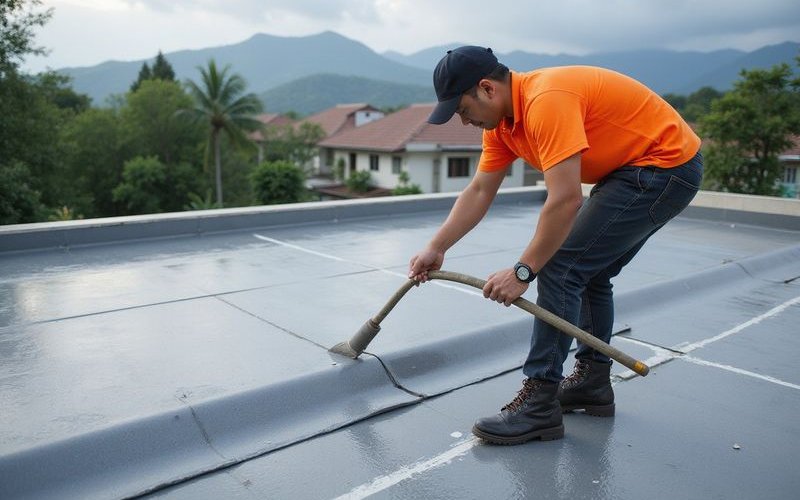
What Is Roof Coating?
Roof coating is a protective layer applied over your existing roofing materials to extend their life and reflect heat. You should think of it as “sunblock” for your roof rather than a medical cure for a deep wound.
Common types:
- Acrylic Elastomeric Coatings: Flexible paints that bridge hairline cracks and resist dirt pickup.
- Heat-Reflective Cool Roof Paints: Specially formulated to bounce solar radiation back into the atmosphere.
- Encapsulation Coatings: Used to seal older asbestos or metal roofs to prevent fiber release and rust.
Best for:
- Clay or concrete tile roofs that have become porous but are not broken.
- Metal roofing (zinc) to prevent rust and reduce noise.
- Drastically reducing indoor temperature.
- Restoring the aesthetic look of a faded roof.
- Extending the lifespan of an underlying waterproofing system.
Data from local heat studies shows that a white or light-colored reflective coating can reduce roof surface temperatures by up to 15°C to 30°C under the midday sun. This massive reduction means less heat transfers into your living room, potentially lowering your air conditioning usage by 10-20%.
Key Differences
| Feature | Waterproofing | Roof Coating |
|---|---|---|
| Primary purpose | Stop water completely (Leak Repair) | Protect, Reflect Heat & Beautify (Maintenance) |
| Water resistance | 100% waterproof (Handles standing water) | Water-shedding (Cannot handle standing water) |
| Suitable surfaces | Flat RC roofs, balconies, concrete | Sloped tiles, metal decks, existing bitumen |
| Ponding Water | Yes (Designed for it) | No (Will blister and peel) |
| Heat reflection | Low (Unless top-coated) | High (Main feature) |
| Typical thickness | 2-4mm (Thick membrane) | 0.5-1mm (Thin film) |
| Lifespan | 10-15 years | 3-5 years |
When to Choose Waterproofing
Choose waterproofing if:
- You live in a terrace house with a leaking concrete car porch or balcony.
- Water pools on your flat roof for more than 48 hours after rain.
- You see brown water stains spreading on your ceiling.
- The surface is a bathroom or internal wet area.
- You need to solve an active, penetrating leak.
Our team frequently advises homeowners that if you can see a puddle on your roof, you are legally in “waterproofing territory.” Flat roofs in Malaysia often suffer from poor drainage gradients, and only a membrane system can hold that standing water without failing.
When to Choose Roof Coating
Choose roof coating if:
- Your sloped tile roof is structurally sound but looks old and faded.
- Your upper floor feels like an oven during the afternoon (1 PM - 4 PM).
- You want to extend the life of your metal roof by preventing rust.
- The roof slope is steep enough that water drains off immediately.
- You are looking for a cost-effective preventative maintenance measure.
Roof coating works best as preventive maintenance on roofs that are already doing their job but need a shield against the harsh UV rays we get in Petaling Jaya and KL. It rejuvenates the surface and seals hairline cracks before they turn into real leaks.
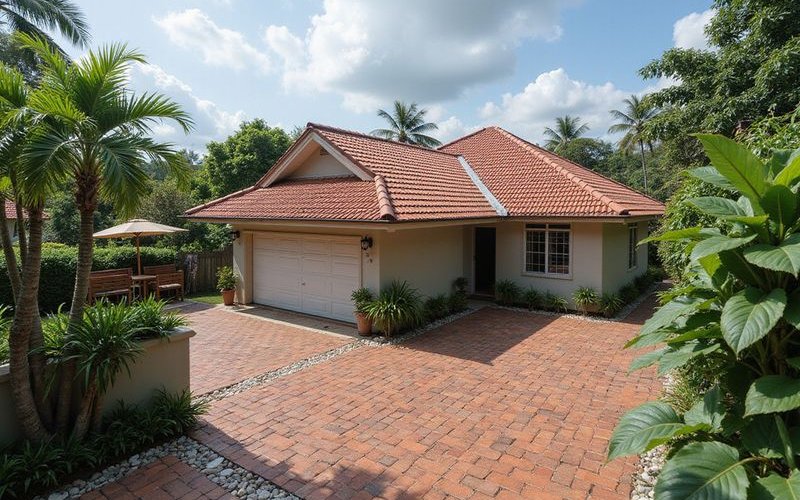
Can I Use Both?
In some cases, yes. For example:
- A flat concrete roof receives a Torch-on Bitumen waterproofing layer first to stop leaks.
- We then apply a UV-resistant reflective top coat over the black bitumen.
This combination is actually the “gold standard” for flat roofs in our tropical climate. The waterproofing stops the leaks, while the reflective coating stops the sun from degrading the bitumen, effectively doubling the system’s lifespan. However, you must never use roof coating instead of waterproofing on a leaking flat roof.
Common Mistakes
Mistake 1: The “Hardware Store” Paint Fix Homeowners often buy a bucket of “waterproof paint” to roll over a leaking concrete slab. Result: The water pressure from ponding pushes the paint off the concrete within 3-6 months, leading to peeling and continued leaks.
Mistake 2: Ignoring the “Screed” (Gradient) Contractors sometimes apply waterproofing without fixing the slope of the roof. Result: Water continues to pool in the same spot. Even the best waterproofing will eventually degrade if submerged 24/7 in acidic rainwater (KL rain can have a pH as low as 4-5).
Mistake 3: DIY Application without Primer Applying coating directly to a dusty, algae-covered roof without high-pressure cleaning. Result: The new coating sticks to the dirt, not the roof, and flakes off in sheets during the next heavy storm.
Getting Professional Advice
Not sure which solution you need? The right answer depends on:
- Your roof type: (RC Flat Roof vs. Clay Tiles vs. Metal Deck).
- The “Ponding” Test: Does water sit there for more than 24 hours?
- Current condition: Are there structural cracks or just hairline fissures?
- Your goals: Stopping a leak vs. reducing the heat bill.
A professional inspection can determine the appropriate solution for your situation.
Cost Comparison
Price is often the deciding factor, but comparing these two is like comparing the cost of a car wash to a full engine repair.
- Waterproofing: typically costs RM 8.00 to RM 15.00+ per sq ft. This higher price accounts for hacking, surface preparation, primer, and the installation of heavy-duty membranes.
- Roof Coating: generally ranges from RM 3.50 to RM 6.00+ per sq ft. This is cheaper because it requires less labor and material thickness.
Using a coating when you actually need waterproofing is a false economy. You will spend RM 2,000 on coating now, only to spend RM 5,000 on proper waterproofing (plus hacking off the failed coating) a year later.
The Bottom Line
- Waterproofing = A heavy-duty shield for flat surfaces, concrete slabs, and active leaks.
- Roof coating = A “sunblock” layer for sloped roofs to reflect heat and extend lifespan.
Choose based on your roof type and the specific problem you are solving, not just the price tag.
Need Help Deciding?
Contact us for a free assessment. We’ll inspect your roof and recommend the right solution for your specific situation - whether that’s professional waterproofing or roof coating services - no guesswork, just honest advice.